
Devil’s Tears Nusa Lembongan: Tide Times, Safety Guide and How to Visit by Private Boat

Bali Premium Trip Editorial Desk
August 18, 2026
6 min read
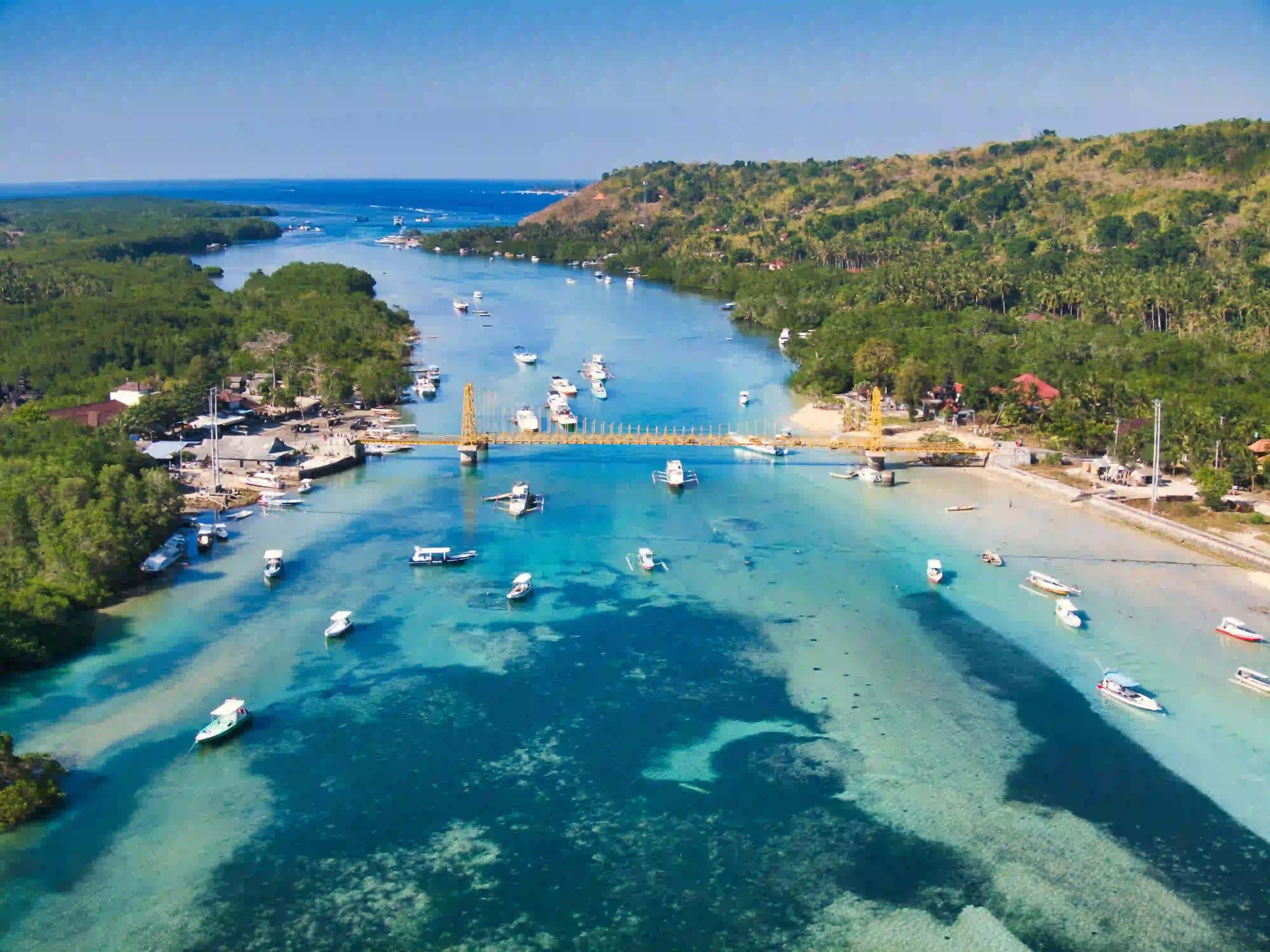
Devil’s Tears is a limestone cliff and blowhole formation on the southwest coast of Nusa Lembongan, a few minutes’ walk from Dream Beach. Indian Ocean swell drives into the rock shelves, blasts up through the blowholes as vertical spray, then drains back out through natural arches.
Visit it on a calm morning, stay behind the barriers on dry and elevated rock, and never turn your back on the water for a photo. From mainland Bali, the crossing from Serangan or Sanur takes about 30 to 40 minutes by private boat. That last instruction is not boilerplate. People have died here, and almost all of them died the same way.
What Devil’s Tears Actually Is
Devil’s Tears sits near Sandy Bay in Klungkung Regency. It is not a beach and it is not a swimming spot. It is an exposed sea cliff where open-ocean swell arrives unbroken and slams into undercut ledges. The water compresses, finds the gaps in the rock, and throws spray many metres into the air.
On sunny afternoons the backspray catches the light and produces rainbows, which is exactly why the site fills up before sunset. The same physics that make it photogenic make it unforgiving. Surge arrives in irregular sets, so a quiet minute tells you nothing about the next one. And the backwash coming off those shelves is strong enough to take an adult off their feet.
Tide Times, and Why a Tide Chart Will Not Keep You Safe
People search for Devil’s Tears tide times expecting a safe window. There is not one, and it is worth being clear about why. Tide times shift by roughly 50 minutes every single day, so any “best hour” you read in an old blog post is already wrong. More importantly, the documented incidents here rarely point to a specific tide.
The two factors that show up again and again are the state of the sea and where the person was standing. Judge the conditions in front of you instead. The barriers are the line you do not cross.
| Conditions | What it looks like | Verdict |
|---|---|---|
| Calm morning, low swell | Spray stays low, rock shelves mostly dry | Usually the best window, but keep your distance anyway |
| Rising or high tide with visible swell | Sets surging over the ledges, wet rock spreading | Stay well back on high ground |
| Large swell days | Boat crossings delayed or cancelled, whitecaps offshore | Do not approach the cliff edge at all |
| Wet rock, any time of day | Darkened, splashed shelves near the edge | Never stand there. Waves arrive without warning |
Seasonally, the dry months from April to October bring calmer mornings with trade-wind chop building through the afternoon. The northwest monsoon from November to March brings bigger swell and less settled seas. Our crews check the marine forecast every morning before any Lembongan or Nusa Penida trip. If Devil’s Tears is a no-go that day, we will say so.
The Safety Record
Devil’s Tears has one of the worst visitor-accident records of any viewpoint in the Nusa islands. Nearly every case follows the same pattern: someone standing on wet rock near the edge, usually taking a photo. Documented incidents include a fatal fall while taking a selfie in 2015, a visitor swept off the rocks by a wave in June 2018, a 24-year-old swept away in May 2019 whose body was never recovered.
Another wave fatality in August 2019, a small tour boat that capsized in rough seas near the cove in September 2019 with two lives lost, and a fatality in January 2020 involving a visitor who climbed over the safety fence. Regional media counted at least seven people swept from the cliff in under two years, several of them fatally. None of this makes the site off-limits. It makes the rules worth following.
- Stay behind the fences and signs. They mark real surge lines, not a legal formality.
- Keep to dry, elevated rock and leave more buffer to the edge than feels necessary.
- Face the ocean. Never pose with your back to the swell, and do not walk backwards to fit more of the cliff in frame.
- Skip it entirely on large-swell days. The rainbows are not worth it.
- Do not swim or cliff-jump here. There are no conditions under which this is a good idea.
Visiting by Private Boat with Bali Premium Trip
The comfortable way to reach Devil’s Tears is a private charter out of Serangan. The crossing takes 30 to 40 minutes, your own crew watches the conditions, and the schedule bends around the sea instead of a timetable. That flexibility matters more here than at most stops. It puts you at the cliffs during the calm morning window rather than the crowded, wind-chopped late afternoon when almost every group tour arrives.
Published full-day private charters run USD 990.90 to 997.65 per boat. Most guests pair Devil’s Tears and Dream Beach with snorkeling stops and a Nusa Penida leg, which is the format described on the Bali island hopping by private boat guide. All charter formats are listed on the Bali boat tours page. Send us your dates on WhatsApp at +62 811-2859-0000 and we will build the day around the sea, not the other way around.
Frequently Asked Questions
Is Devil’s Tears safe to visit?
Yes, if you stay behind the barriers on dry and elevated rock and go on a calm-sea day. The documented accidents overwhelmingly involved people standing on wet rock right at the edge, usually taking photos. Treat it as a cliff-edge viewpoint, not a beach.
What is the best time of day to visit Devil’s Tears?
Calm mornings are the smarter window: lower swell, fewer people, dry rock underfoot. Sunset draws the biggest crowds but lines up with afternoon wind chop, so if you go then, give the edge noticeably more room than you think you need.
Are there tide times when Devil’s Tears is safest?
No fixed hour exists. Tide times shift by around 50 minutes daily, and incidents here track sea state and position rather than tide stage. Read the conditions on arrival instead, and stay off any rock that looks wet or recently splashed.
How do I get to Devil’s Tears from Bali?
Take a boat from Serangan or Sanur to Nusa Lembongan, roughly 30 to 40 minutes of sea time, then a short island transfer to the Sandy Bay and Dream Beach area. On a private charter, your crew times the visit around that day’s conditions.
Is there an entrance fee at Devil’s Tears?
There is no formal ticket gate. Local attendants usually collect a small parking or access contribution on site. Bring a little cash in rupiah and confirm the amount on the day.
Can you swim at Devil’s Tears?
No. There is no safe water entry, the surge and backwash are severe, and the 2019 boat capsize nearby shows how rough this stretch of coast gets. Swim at Dream Beach next door instead, with care as it has a strong shore break, or at the sheltered snorkeling bays your crew picks.
How long should I spend at Devil’s Tears?
Thirty to sixty minutes covers it: the blowholes, the rainbows in the spray, and photos from a safe line. Most guests pair it with Dream Beach and carry on to Nusa Penida for manta-ray snorkeling.
Related Article

Bali Airport Departure Guide for International Travelers: Everything You Need to Know!
A Bali Airport Departure Guide for International Travelers is essential...
A Bali Airport Departure Guide for International Travelers is essential for anyone who wants to fly home without rushing, waiting...
Bali Airport Arrival Tips During Peak Season Hassle-Free That You Can Try!
Have you ever landed in Bali only to get stuck...
Have you ever landed in Bali only to get stuck in immigration queues, wait forever for your luggage, and then...

Private Transfer or Luxury Car Rental for Bali Airport Pickup, Which One Suits You Better?
Upon arriving at Ngurah Rai Airport, one of the first...
Upon arriving at Ngurah Rai Airport, one of the first decisions travelers need to make is how to get to...